Product updates
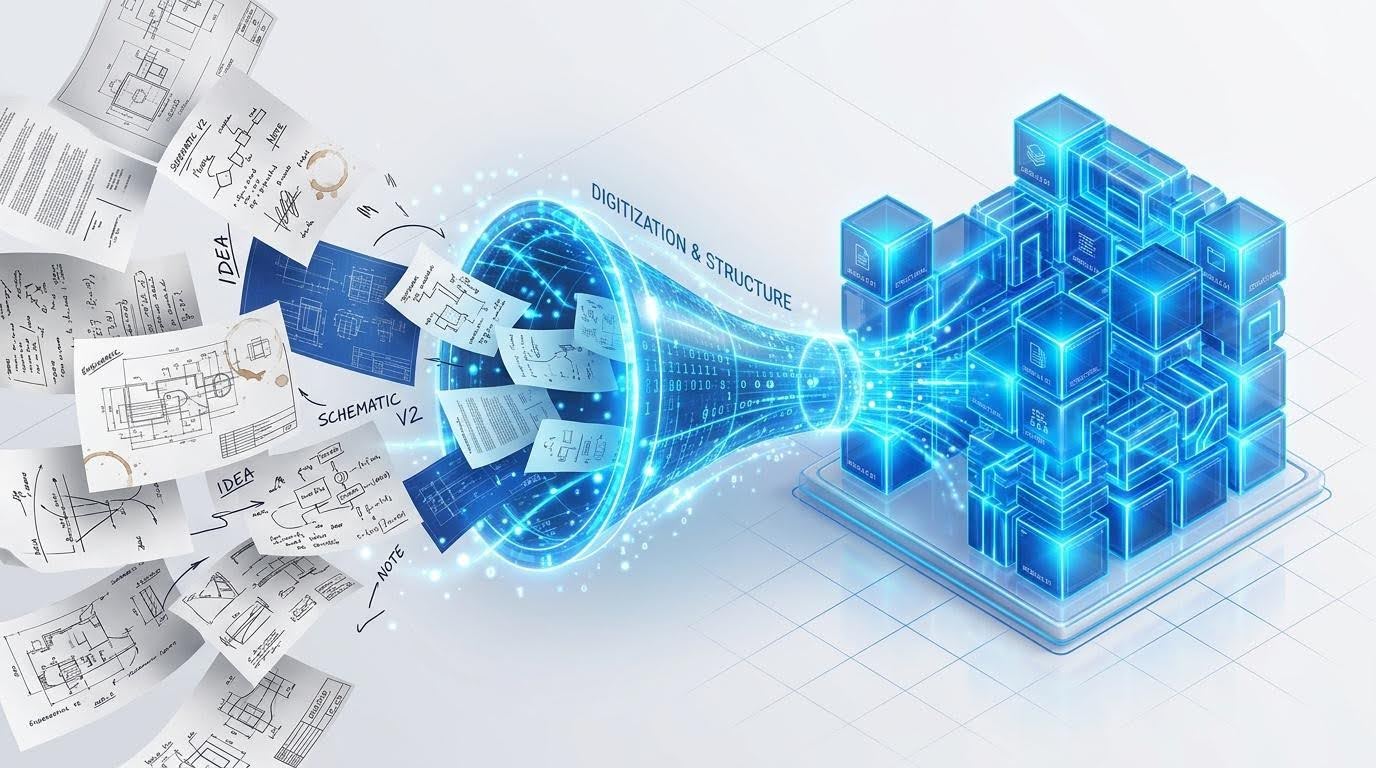
Dessia launches Lagrangia 1.0, its first AI model. This DeepAgent automates knowledge structuring, agent creation, and 3D CAD verification—no code needed.
8 min reading

July 2025 - A New step in AI industrialization for 3D modeling and design
At Dessia, we have a conviction: high-performing design engineering teams focus on what truly matters - innovation - rather than repetitive tasks.
For years, we've helped our clients transform their design processes across three critical areas: verification teams automating the validation of thousands of business rules, routing engineers tracing harnesses and cable paths through complex assemblies in minutes instead of days, and placement specialists positioning components like battery modules or circuit elements with precision. We’ve seen projects moving faster, with fewer errors with more creativity.
But we've also seen the limits emerge. As success grows, so do the challenges.
As pioneers in generative design, we've observed critical bottlenecks**.** When multiple teams want to leverage automated design processes, traditional architectures hit computational limits. When multiple specialized teams work simultaneously on confidential projects, data isolation becomes paramount. And when engineering specialists need to focus on innovation rather than interface navigation, every click matters.
These aren't just technical challenges - they're innovation barriers. We've built v3.0 to eliminate them.
No more endless queues. Our new Kubernetes architecture definitively removes parallel computation limits. Whether you launch 10 or 1000 calculations, the platform scales automatically so engineering teams don't have to wait anymore.
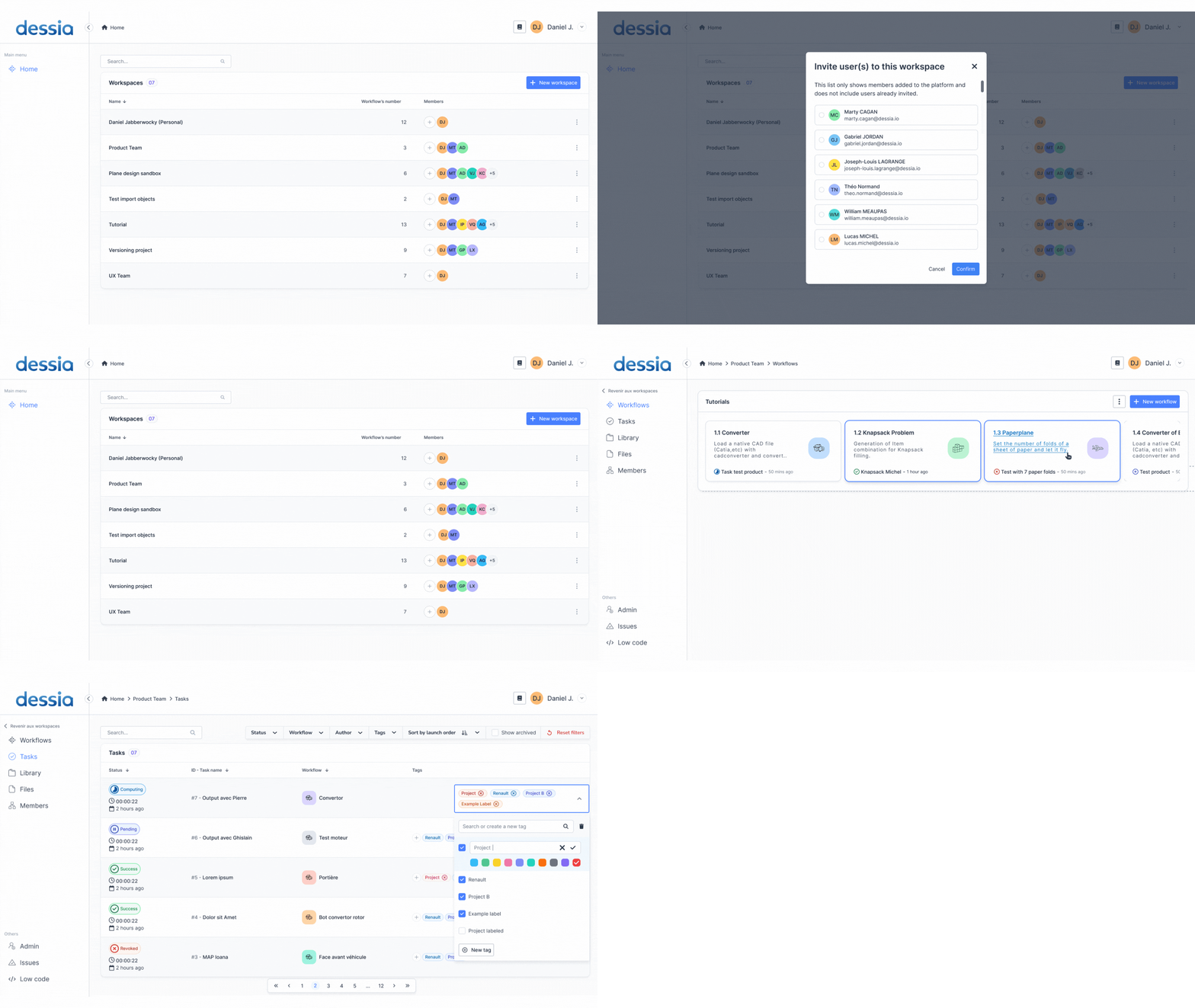
Each project comes with its own confidential information, requirements, documents and collaborative teams. Version 3.0 introduces completely compartmentalized project spaces with granular access rights management.
Multiple teams can now work in parallel on the same platform without ever stepping on each other's toes. Confidentiality becomes a non-issue.
We've rethought every interaction. Fewer clicks, better logs, better collaborative tools, smarter filters, intuitive navigation, a coherent design system.
Because an design engineer who saves time getting onboard the generative design train can focus on solving more interesting problems.
Say goodbye to 3D file size limitations. Our modernized import system now handles even the largest models - those intricate assemblies representing months of engineering work.
If you're a technical director: a platform that grows with your needs, without architectural overhaul.
If you lead a business team: faster results, smoother adoption, projects that advance.
If you drive innovation: the certainty that your investment in generative design will keep bearing fruit, even as your ambitions grow.
Version 3.0 is available today.

Published on
19.08.2025
These articles may be of interest to you
Product updates
Dessia launches Lagrangia 1.0, its first AI model. This DeepAgent automates knowledge structuring, agent creation, and 3D CAD verification—no code needed.
8 min reading
Product updates
Dessia v3.2.0 introduces automated Verification & Validation and visual Solution Landscapes for trade-off analysis. Rule governance becomes scalable, validation runs in parallel on 2D/3D models, and engineering teams compare solutions instantly to accelerate decisions.
7 min reading
Product updates
July 2025 - A New step in AI industrialization for 3D modeling and design
4 min reading